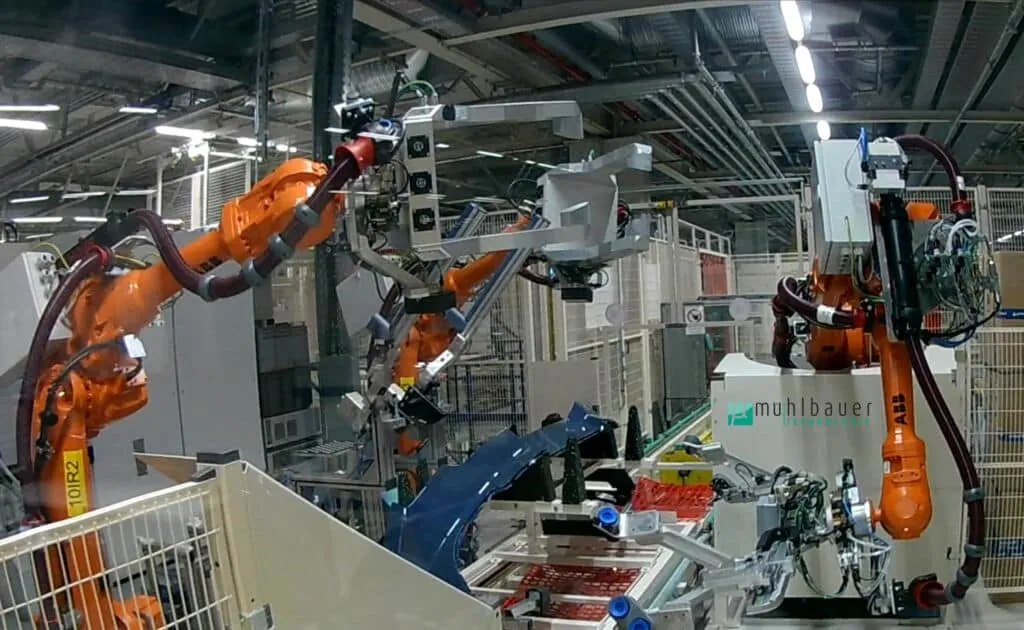
Lighting and exposure for 3D vision on reflective parts: a practical guide
Mirror geometry, enclosures, diffuse light, polarisation, filters, multiple exposures and projected texture: what really helps a 3D camera on glossy and metallic parts.

Topic
23 posts
Mirror geometry, enclosures, diffuse light, polarisation, filters, multiple exposures and projected texture: what really helps a 3D camera on glossy and metallic parts.
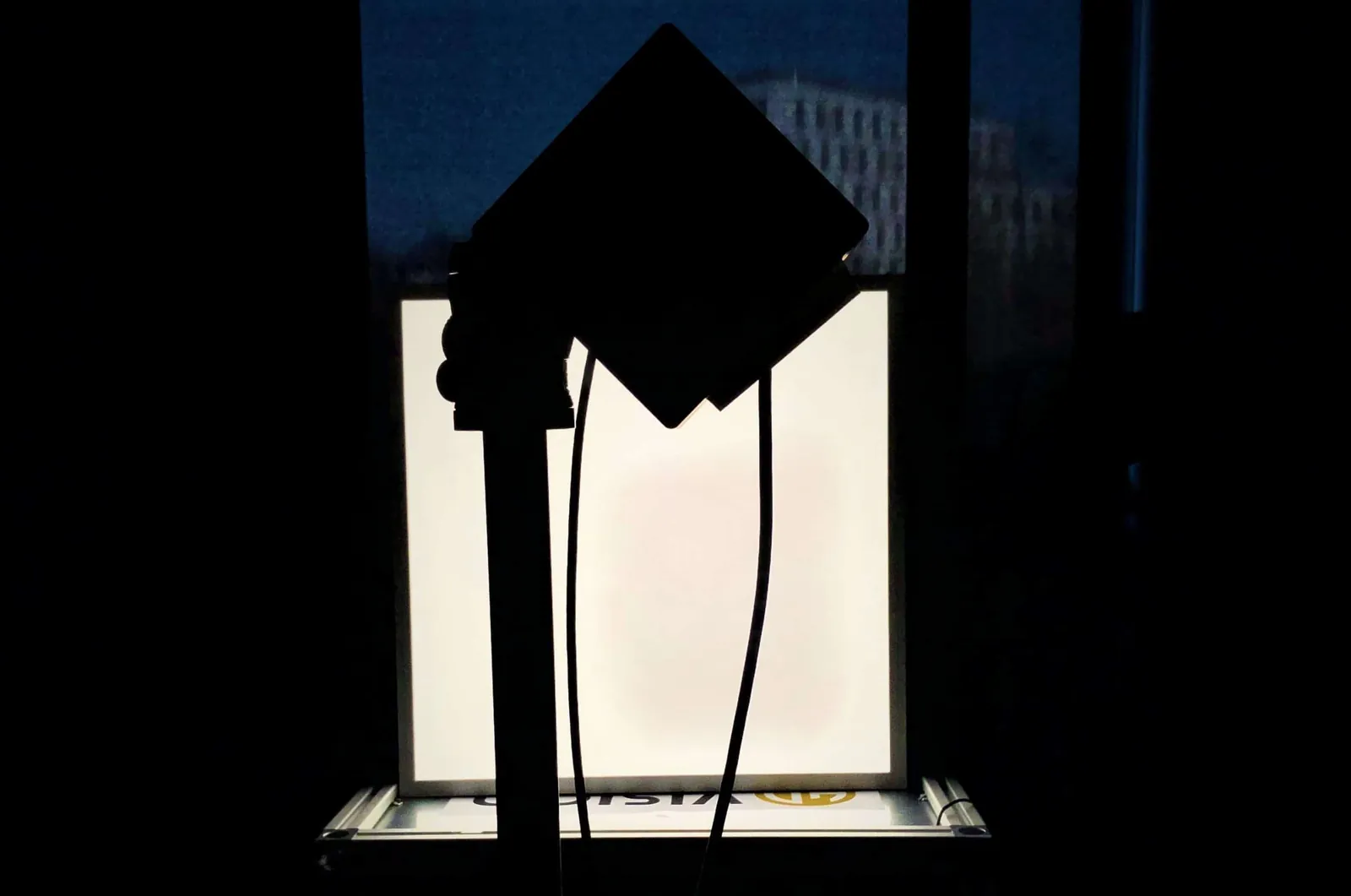
How passive and active stereo, fringe projection, laser triangulation, time of flight, deflectometry and light field cope with glossy, oily and metallic parts – and when to combine them.
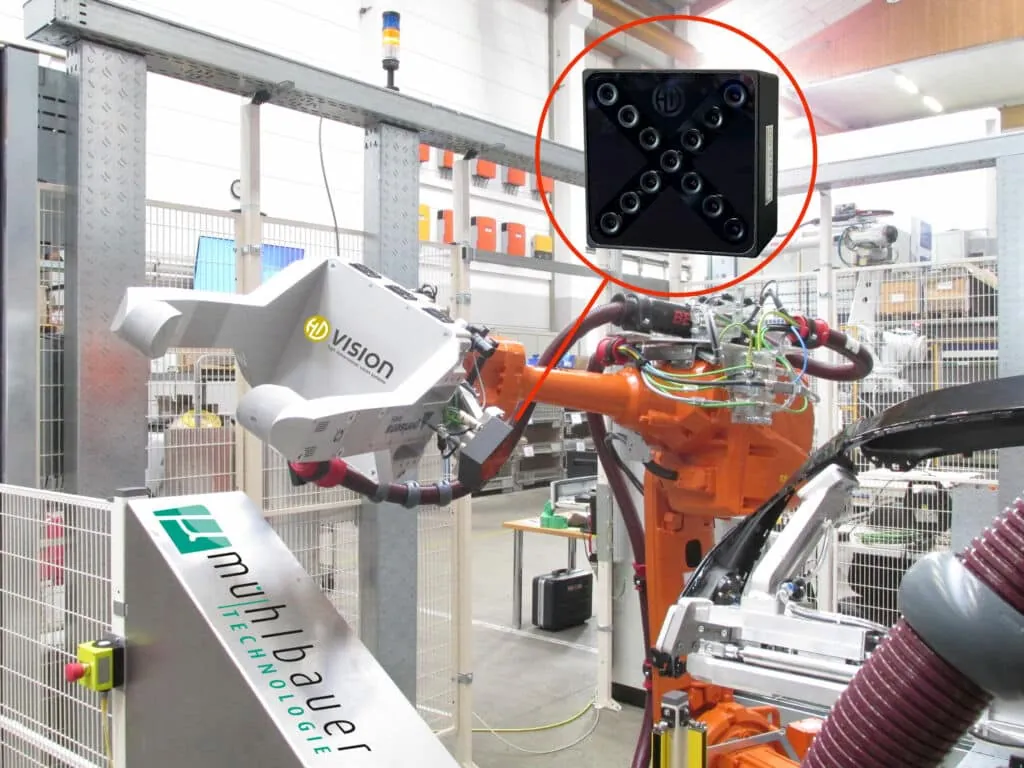
Highlights that saturate, reflections that move with the viewpoint, light bouncing between parts: the physics behind holes and ghost points in 3D data of glossy and metallic parts.
This guide explains how to configure overlay annotations in LumiScan Cockpit to display visual markers on top of images. Overlays enable you to highlight regions of interest or …
This how-to guide explains how to connect and operate an Ethernet-based, GenICam-compliant camera with ctrlX OS device like ctrlX CORE using the LumiScan CamDriver application. By …
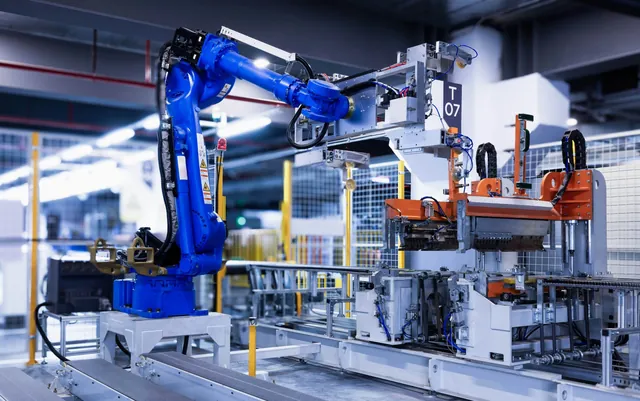
Object detection is a key technology in industrial machine vision systems, used to automatically identify, locate, and classify objects within images or video feeds. It plays a …

Imagine navigating under a clear night sky with the stars as your reliable guides. But what if some of those stars, like Polaris — the North Star, were slightly out of place? Even …
YOLO has found its way from youth language into the world of artificial intelligence and machine learning – after semantic modification, it stands for the acronym You Only Look …

The advantage that makes the difference Machine vision is being used more and more frequently in large companies and is already firmly established in many work processes. The …
As Managing Director of NOTAVIS GmbH, the leading OEM sales and consulting partner for industrial cameras and embedded vision solutions, Thomas Schweitzer is a long-time industry …

Machine vision describes the ability of a computer to perceive its surroundings. This facilitates industrial processes and reduces the workload. Machine vision is therefore used …

The possibilities of Machine Vision have increased significantly in recent years thanks to powerful vision controllers. Today, this makes it possible to take images, perform …

Recording a point cloud is usually the first step in inspecting, grasping, measuring or representing real objects as a 3D object. As with cooking, the same applies here: The …

Dr. Andreas Ehrhardt is managing director of Photonics BW, the innovation network for optical and quantum technologies in Baden-Württemberg, and deputy board member of OptecNet …

The use of robots in industry has many advantages. Their utilization speeds up processes, makes them more precise and allows plants to run 24/7. In order to integrate robots into …

Child’s play and yet incredibly difficult: that’s the motto. Machines gain the ability to see through vision systems. However, it takes more than just a vision system to identify …
Machine Vision is playing an increasingly important role in today’s production. Why? Companies are looking for methods to reduce costs in the manufacturing of a product. Due to …
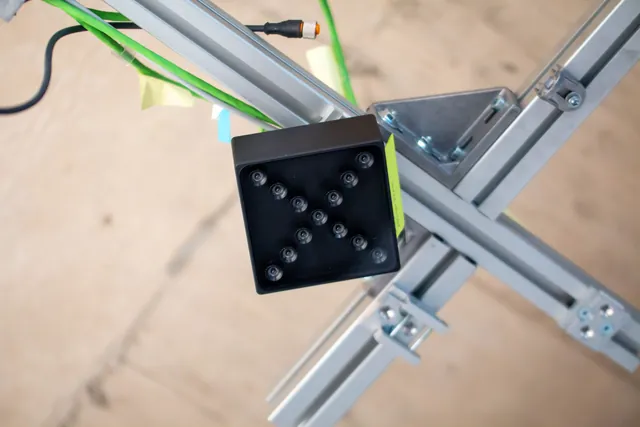
Machine vision is retouching in Photoshop? Not at all! Behind industrial machine vision hides an entire field of knowledge around the acquisition and processing of images in an …
What a frame grabber does, which camera interfaces need one (Camera Link, CoaXPress) and which do not (GigE Vision, USB3 Vision) – and how to decide whether your machine vision system needs a frame grabber at all.
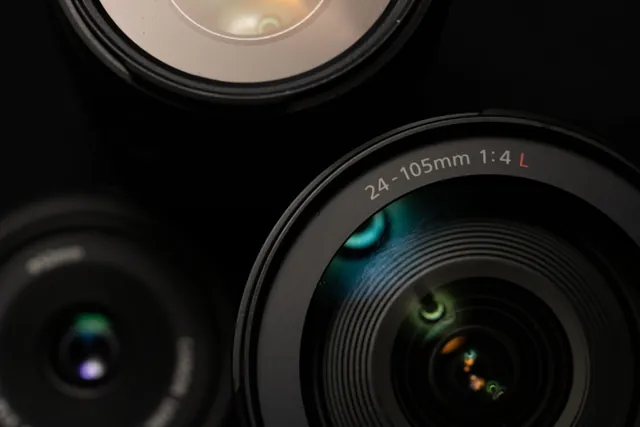
Compared to line scan cameras, area scan cameras offer a wider range of applications for industrial machine vision. Nevertheless, there is a persistent opinion that area scan …

Image recognition vs. pattern recognition – all the same? Checking industrial goods for quality? With machine vision, nothing could be easier! However, there is no such thing as …
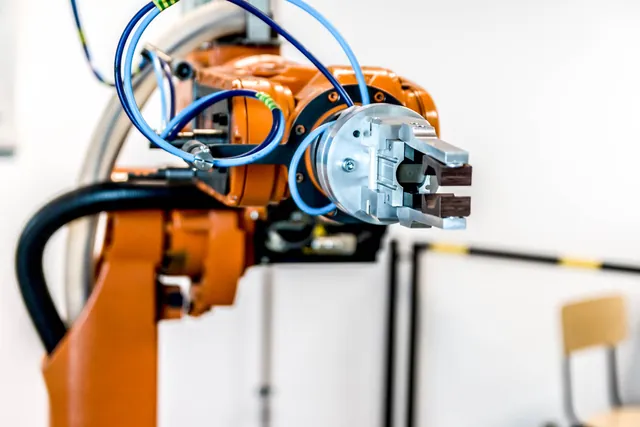
If there were only one event that exemplifies the need for automation in industry, it would be the Coronavirus. Robotization, Industry 4.0 or the Smart Factory have been underway …

oNo two machine vision solutions are alike. And that’s a good thing – after all, the conditions of no two tasks are identical. But how can this be combined with standardized …